
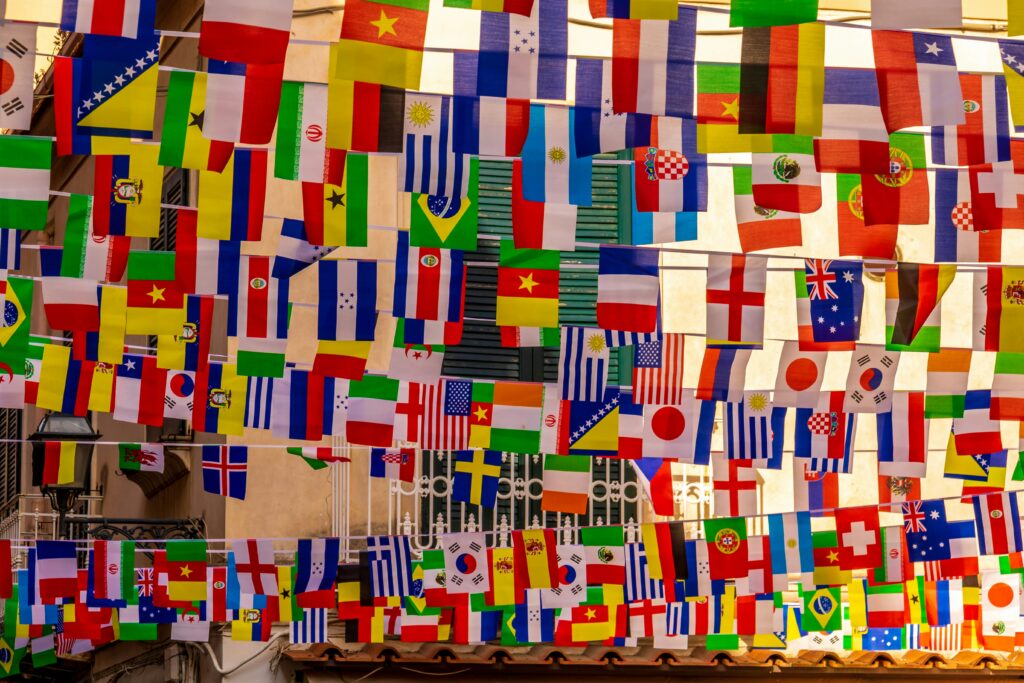
I coined the phrase #Story Tourism many years ago to describe what happens we travel to a new place whether it’s another country or another part of the United States. We see the place with a fresh eye whether we looking at the local architecture or the plants that are grown.
The other benefit is that we see ourselves with greater clarity. How is our way of speaking and behaving is received in that place. Do I speak too fast or too loud? ( a challenge for any New Yorker!) How do I perceive myself as a person different from their view? Practicing tourism lay the ground for compelling conversations and deep learning.
Practicing #Story Tourism doesn’t require a passport. When I was growing up in #Queens I didn’t have to travel to encounter someone who was different from me whether it was their appearance, religion or nationality. All I had to do was walk outside my house and encounter one of my neighbors. My neighbors came from everywhere the Philippines, Italy, Hungary, Germany, Italy, India and even New Jersey. I would sit on their #front stoop ( aka front stairs) and listen to them talk about their childhood and how they experienced New York when they arrive.
Those conversations yielded lessons about the importance of listening and storytelling to gain context. I always left those conversations with knowledge and a greater appreciation about life’s challenges. I left with their stories. Listening to those stories instilled the importance of building cultural bridges in life and later on at work.
Building cultural bridges involves intentional efforts to establish mutual respect, trust, and understanding between diverse groups. It requires developing cultural humility, active listening, and open dialogue to bridge communication styles and values, ultimately reducing conflict and fostering collaboration. Effective approaches include immersion, education, curiosity, and celebrating shared humanity over differences.
Key strategies for building cultural bridges include:
* Cultural Humility & Awareness: Recognizing limitations in your own knowledge and adopting a posture of non-judgmental acceptance and curiosity.
* Active Listening: Hearing stories and asking questions to understand perspectives rather than just waiting to respond, helping to reduce misunderstanding.
*Immersive Experiences: Engaging in environments where you are in the minority, such as attending cultural festivals or exploring different neighborhoods, to foster genuine connection.
*Open Dialogue & Communication: Facilitating structured opportunities for sharing experiences and adapting communication styles to fit the cultural preferences of others.
*Seeking Common Ground: Focusing on shared goals and humanity, rather than only highlighting disparities or differences.
Benefits of Cultural Bridges:
Reduced Conflict: Decreases misunderstandings and promotes collaboration across different backgrounds, according to LinkedIn.
Increased Innovation: Brings diverse perspectives together, allowing for new, creative solutions to complex problems, says LinkedIn.
Inclusivity: Ensures everyone feels valued and understood, rather than just tolerated, according to Lifestyle → Sustainability Directory.
By engaging in these actions, individuals can turn differences into opportunities for learning, fostering a more inclusive and connected environment
Resources
Business Beyond Borders: Stories, Tales and Lessons Learned from Working in 100 Cultures Around the World Audible Audiobook – Unabridged – Dean Foster (Narrator, Author), John Murray Business (Publisher)
- Business & Communication: The Culture Map by Erin Meyer (strategies for navigating international business) and Cross-Cultural Business Behavior by Richard R. Gesteland.
Show all